allfreenofees

WHAT THE RULES SAY

Free at
the door.

Some of the best days out in England cost nothing at all.

Check what is free
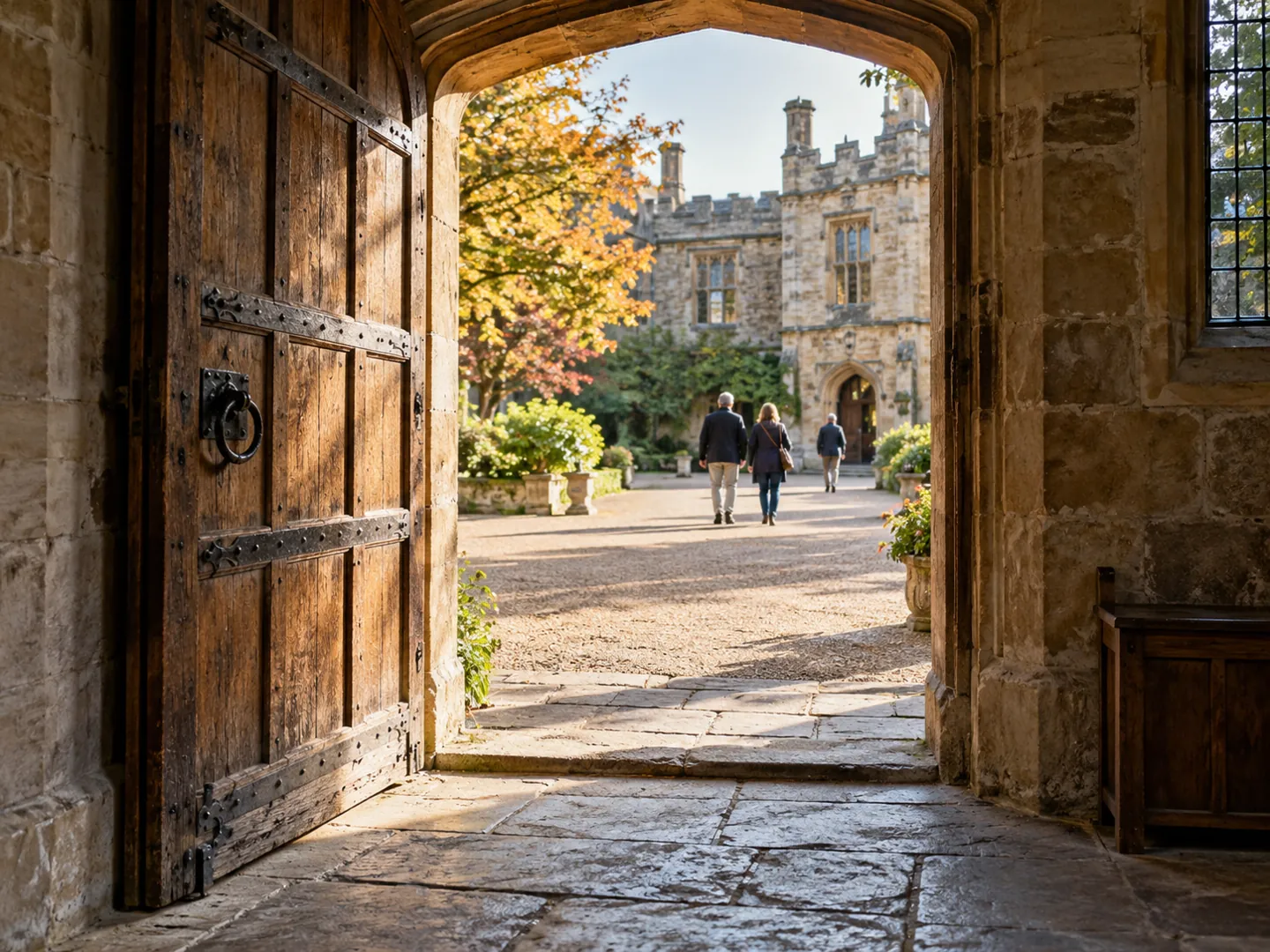
A bright, high-ceilinged museum gallery with visitors seen from behind walking past large glass display cases in soft daylight
AI-generated image, not a photograph of a real person or place.

FREEsince 2001

  • Museums: free to enter
  • Books: free to borrow
  • Open days: free to visit
  • Plus the small print on extras

Free entry to national museums, free library books and a free festival of hidden buildings are not special offers. They rest on a long-running policy, an Act of Parliament and a festival rule. Knowing where the line sits helps you spot what is free and what may still carry a charge.

Updated

THE SHORT ANSWER

Three things
you never pay for.

Each one is free for a different reason.
A policy, a law and a festival rule.

MUSEUMS

National collections are free to enter

Free entry to the permanent galleries at all DCMS-sponsored national museums began on 1 December 2001. In September 2026 the government said it would keep universal free entry to their permanent collections.

See the numbers

LIBRARIES

Borrowing a printed book is free by law

The Public Libraries and Museums Act 1964 bars English library authorities from charging to lend printed books to people they serve, or to read them in the library. Reservations and late or damaged returns can be charged.

Check the small print

OPEN DAYS

Hidden places open up every September

Heritage Open Days runs for 10 days each September across England. It is built on free access: every event must be possible to attend entirely for free.

Plan a free day

General information only, not financial advice. For advice on your own situation, speak to a regulated financial adviser or a free money-advice service.

A QUICK FREE-OR-FEE CHECK

Will I be asked
to pay?

Pick something you might do on a day out or at your local library. The answer shows what the rules say, and the bar shows how likely a charge is.

Applies to England. Council library details vary, and museums outside the national group set their own prices.

Free or fee check

Choose an activity
Walking into a national museum's permanent galleriesFree

Free entry to the permanent galleries at DCMS-sponsored national museums began on 1 December 2001 and the government restated it in September 2026.

Borrowing a printed book from your council libraryFree

Under section 8 of the 1964 Act, no charge can be made for lending readable printed material to someone the library has a duty to serve, which under section 7 means people who live or work in the area or are in full-time education there.

Reading books inside the libraryFree

The Act also stops charges for reading library materials on the premises and for consulting the library's catalogues.

Reserving a book, or returning one lateMay be charged

Section 8 allows regulations to let libraries charge for reservations and for books returned late or damaged. Whether yours does is set locally.

Tea and parking at a Heritage Open Days eventExtras can cost

The event itself must be free, but organisers may charge for refreshments offered in addition, and existing car park fees may stay.

Sources: Public Libraries and Museums Act 1964, sections 7 and 8 (legislation.gov.uk); GOV.UK, Ten years of free museums (2011); Heritage Open Days organiser FAQs.

TWO NUMBERS WORTH KNOWING

What free entry
changed.

One figure on museum visits,
one on how far the open days have grown.

+151%

Rise in visits to London museums that used to charge

Ten years after free entry began, DCMS reported that visits to the London national museums that previously charged had risen by 151 per cent, and those outside London by 148 per cent.

NATIONAL MUSEUMS · DCMS 2011

5,000+

Events now, up from 701 at launch

Heritage Open Days began in 1994 as England's part of European Heritage Days. It has grown from 701 events at launch to over 5,000 today, run by volunteers and organisations across the country.

HERITAGE OPEN DAYS · SINCE 1994

The 15 DCMS-sponsored national museums include the British Museum, National Gallery, Natural History Museum, Science Museum Group, Tate and the V&A (Museums Association, September 2026).

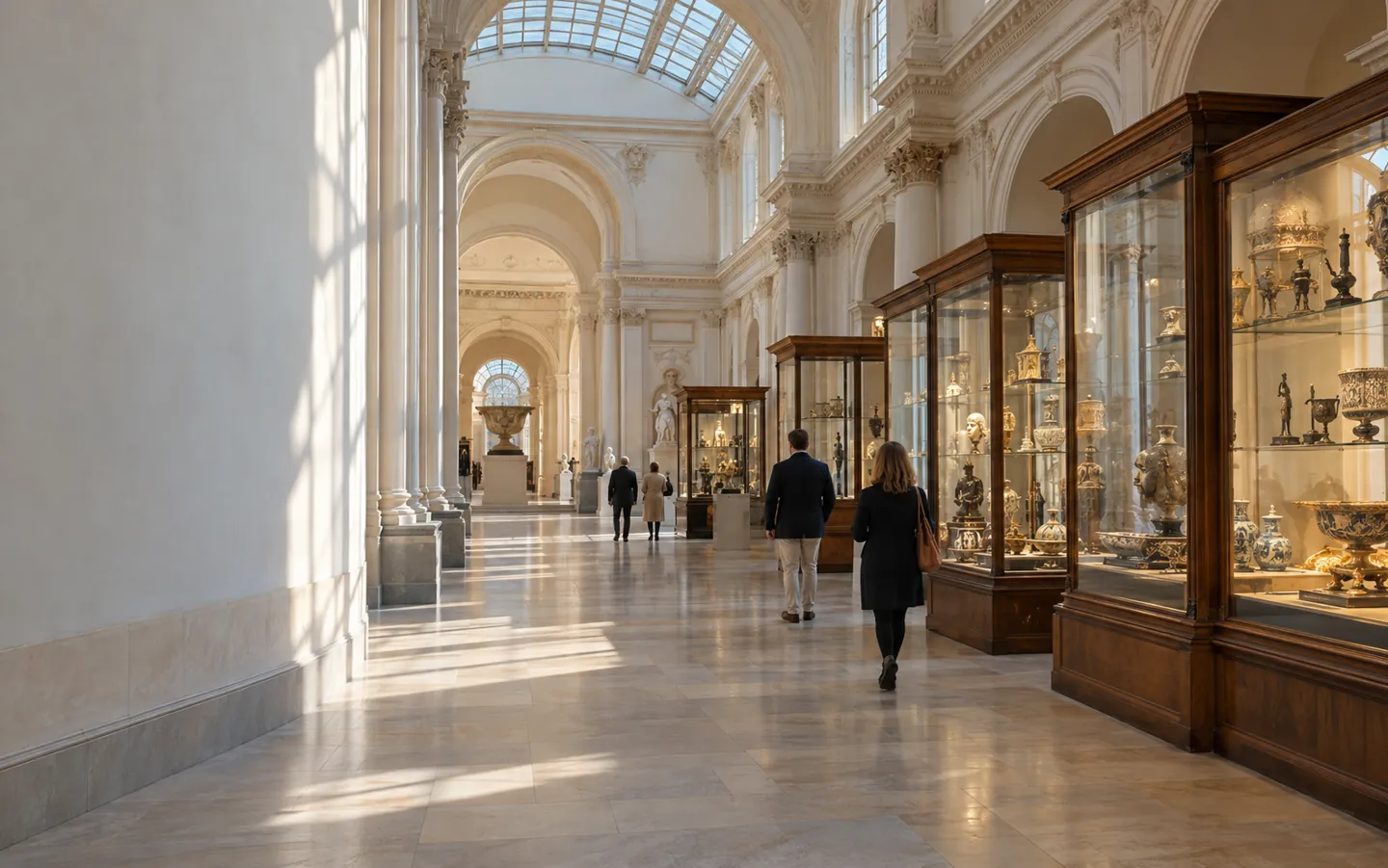
A heavy old oak door standing open onto a stone courtyard of a historic building, with a few visitors seen from behind at a distance
AI-generated image, not a photograph of a real person or place.

FOUR WAYS TO USE IT

A full day out,
no ticket needed.

None of this needs a membership or a voucher. It is about knowing which doors are already open.

  1. Start with a national museum

    Head for the permanent collections, which are free to enter. Check before you go whether a special exhibition you fancy is part of them.

  2. Join your local library

    If you live or work in the area, or study there full time, the council must lend you printed books free of charge. Return them on time to avoid any late charges.

  3. Put September in the diary

    Heritage Open Days runs for 10 days each September. Some events ask you to book ahead, so check each listing before you set off.

  4. Know the extras

    Donations are welcome but should never feel compulsory. Cafés, shops, car parks and ferries can still have their own prices.

WHY IT IS FREE

Policy, law
and goodwill.

Museum entry is free because of government policy: universal free entry reached England's national museums on 1 December 2001, after Wales and Scotland that April. Library loans are different. Section 8 of the Public Libraries and Museums Act 1964 forbids library authorities from charging to lend printed books to the people they serve.

Heritage Open Days is free by design. The festival's own rules say no event can be purely about fundraising and that visitors must be able to attend the event described entirely for free. Its organisers say about two thirds of visitors give a donation when they see the chance.

A neat stack of borrowed library books with a paper date slip on a wooden table beside tall public library shelves
AI-generated image, not a photograph of a real person or place.

Questions

Questions people ask

Are all museums in England free?

No. Free entry covers the permanent galleries of the national museums sponsored by DCMS, such as the British Museum, National Gallery, Tate and the V&A. Other museums set their own admission prices.

When did national museums become free?

Free entry to the permanent galleries at all DCMS-sponsored national museums began on 1 December 2001. In Wales and Scotland universal free entry was introduced in April that year.

Can a library charge me to borrow a book?

Not for a printed book lent to someone the library must serve, meaning people who live or work in the area or are in full-time education there. The 1964 Act does allow charges for reservations and for late or damaged returns.

What is Heritage Open Days?

England's largest festival of history and culture, founded in 1994 and held for 10 days every September. Buildings and places, many usually closed to the public, open their doors and all the events are free.

Will I pay anything at a Heritage Open Days event?

The event itself is free. Organisers may ask for donations, sell refreshments that are extra to the event, and keep existing car park or ferry fees.

ABOUT THIS NAME

Interested in leasing allfreenofees.com?

allfreenofees.com is part of the DoodleSale portfolio. It isn't in an auction right now, but you can ask about leasing it.

Ask about this name